Featured

Cancer- Please just be a zodiac sign

“Nah. I’m a tough cookie. Except for the cancer, I’m fine.” Cancer can touch you, but not your soul; neither your thoughts, nor your heart.“There is no medicine like hope, no incentive so great, and no tonic so powerful as expectation of something tomorrow.”

It is a disease in which abnormal cells divide uncontrollably and destroy body tissueThe three most common cancers in men, women, and children  are as follows:

  • Men: Prostate, lung, and colorectal
  • Women: Breast, lung, and colorectal
  • Children: Leukemia, brain tumors, and lymphoma

The incidence of cancer and cancer types are influenced by many factors such as age, gender, race, local environmental factors, diet, and genetics. Consequently, the incidence of cancer and cancer types vary depending on these variable factors. For example, the World Health Organization (WHO) provides the following general information about cancer worldwide:Cancer is a leading cause of death worldwide. It accounted for 8.2 million deaths (around 22% of all deaths not related to communicable diseases; most recent data from WHO).Lung, stomach, liver, colon, and breast cancer cause the most cancer deaths each year.Deaths from cancer worldwide are projected to continue rising, with an estimated 13.1 million deaths in 2030 (about a 70% increase).

What are causes of cancer?

Anything that may cause a normal body cell to develop abnormally potentially can cause cancer. Many things can cause cell abnormalities and have been linked to cancer development.Some cancer causes remain unknown while other cancers have environmental or lifestyle triggers or may develop from more than one known cause.Some may be developmentally influenced by a person’s genetic makeup. Many patients develop cancer due to a combination of these factors.MAJOR CAUSES INCLUDE:

  • Chemical or toxic compound exposures: Benzene, asbestos, nickel, cadmium, vinyl chloride, benzidine, N-nitrosamines, tobacco or cigarette smoke (contains at least 66 known potential carcinogenic chemicals and toxins), asbestos, and aflatoxin
  • Ionizing radiation: Uranium, radon, ultraviolet rays from sunlight, radiation from alpha, beta, gamma, and X-ray-emitting sources
  • Genetics: A number of specific cancers have been linked to human genes and are as follows: breast, ovarian, colorectal, prostate, skin and melanoma

Many people have the genes that are linked to cancer but do not develop it. Why? 

it is clear that the higher the amount or level of cancer-causing materials a person is exposed to, the higher the chance the person will develop cancer. In addition, the people with genetic links to cancer may not develop it for similar reasons (lack of enough stimulus to make the genes function). In addition, some people may have a heightened immune response that controls or eliminates cells that are or potentially may become cancer cells. There is evidence that even certain dietary lifestyles may play a significant role in conjunction with the immune system to allow or prevent cancer cell survival.

RISK FACTORS:

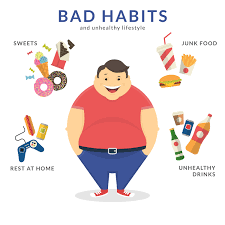
Recently, other risk factors have been added to the list of items that may increase cancer risk. Specifically, red meat (such as beef, lamb, and pork) was classified by the International Agency for Research on Cancer as a high-risk agent for potentially causing cancers; in addition processed meats (salted, smoked, preserved, and/or cured meats) were placed on the carcinogenic list. Individuals that eat a lot of barbecued meat may also increase risk due to compounds formed at high temperatures. Other less defined situations that may increase the risk of certain cancers include obesity, lack of exercise, chronic inflammation, and hormones, especially those hormones used for replacement therapy. Other items such as cell phones have been heavily studied. In 2011, the World Health Organization classified cell phone low energy radiation as “possibly carcinogenic,” but this is a very low risk level that puts cell phones at the same risk as caffeine and pickled vegetables.I wish cancer got cancer and died.

Childhood Nutrition

Nearly 1 in 3 children in America is overweight or obese. Despite all the focus on kids being overweight and obese, many parents are still confused, especially when it comes to what kids eat. How much does your child need? Is he getting enough calcium? Enough iron? Too much fat?

Whether you have a toddler or a teen, nutrition is important to his or her physical and mental development. Here’s what children need — no matter what the age.

Babies/Newborns

During this stage of life, it’s almost all about the milk — whether it’s breast milkformula, or a combination of the two. Breast milk or formula will provide practically every nutrient a baby needs for the first year of life.

  • At about six months most babies are ready to start solid foods like iron-fortified infant cereal and strained fruits, vegetables, and pureed meats. Because breast milk may not provide enough iron and zinc when babies are around six to nine months, fortified cereals and meats can help breastfed babies in particular.
  • Once you do start adding foods, don’t go low-fat crazy. Although the AAP guidelines state fat restriction in some babies is appropriate, in general, you don’t want to restrict fats under age two because a healthy amount of fat is important for babies’ brain and nerve development.
Common-Myths-about-Childhood-Nutrition

Toddlers & Preschoolers

Toddlers and preschoolers grow in spurts and their appetites come and go in spurts, so they may eat a whole lot one day and then hardly anything the next. It’s normal, and as long as you offer them a healthy selection, they will get what they need.

  • Calcium, the body’s building block, is needed to develop strong, healthy bones and teeth. Children may not believe or care that milk “does a body good,” but it is the best source of much-needed calcium. Still, there’s hope for the milk-allergic, lactose-intolerant, or those who just don’t like milk. Lactose-free milk, soy milk, tofu, sardines, and calcium-fortified orange juices, cereals, waffles, and oatmeal are some calcium-filled options. In some cases, pediatricians may recommend calcium supplements.
  • Fiber is another important focus. Toddlers start to say “no” more and preschoolers can be especially opinionated about what they eat. The kids may want to stick to the bland, beige, starchy diet (think chicken nuggets, fries, macaroni), but this is really the time to encourage fruits, vegetables, whole grains, and beans, which all provide fiber. Not only does fiber prevent heart disease and other conditions, but it also helps aid digestion and prevents constipation, something you and your child will be thankful for.

Preschoolers

It isn’t uncommon for a 6- or 7-year-old to suddenly decide to be a vegetarian once they understand animals and where food comes from. This doesn’t mean your child won’t get enough protein; animal tissue isn’t the only place we get protein. Rice, beans, eggs, milk, and peanut butter all have protein. So whether your child goes “no-meat” for a week or for life, he or she will likely still get sufficient amounts of protein.

Areas that might be a little too sufficient are sugars, fats, and sodium.

  • This is a time when kids first go to school and have a little bit more choices in what they eat, especially if they’re getting it in the cafeteria themselves. Cakes, candy, chips, and other snacks might become lunchtime staples.
  • The body needs carbs (sugars), fats, and sodium, but should be eaten in moderation, as too much can lead to unneeded weight gain and other health problems.
  • Packing your child’s lunch or going over the lunch menu and encouraging him or her to select healthier choices can help keep things on track.

Preteens & Teens

As puberty kicks in, young people need more calories to support the many changes they will experience. Unfortunately, for some, those extra calories come from fast foodor “junk” foods with little nutritional value.

  • Some adolescents go the opposite way and restrict calories, fats, or carbs. Adolescence is the time kids start to become conscious of their weight and body image, which, for some, can lead to eating disorders or other unhealthy behaviors. Parents should be aware of changes in their child’s eating patterns and make family dinners a priority at least once or twice a week.
  • Like calories, calcium requirements are higher. Calcium is more important than ever during the tween and teen years because the majority of bone mass is built during this time. Encouraging kids to have milk, milk products, or calcium-rich alternatives, should help them get more calcium.
  • Your child’s gender may play a role in whether he or she needs more of a particular nutrient. For instance, teen girls need more iron than their male counterparts to replace what’s lost during menstruation, and males need slightly more protein than girls.

Although getting your child to eat healthy — regardless of his or her age — can be a constant battle, its one well worth fighting. A healthy child becomes a healthy adult, and only with your support and guidance will your child be both.

HealthyEatingPlate.jpg

Water: Drink Up!

Water makes up more than half of kids’ body weight and is needed to keep all parts of the body functioning properly.

  • There’s no specific amount of water recommended for children, but it’s a good idea to give them water throughout the day — not just when they’re thirsty.
  • Babies generally don’t need water during the first year of life.
  • If your child doesn’t like the taste of water, add a bit of lemon or lime for flavor.
  • Fruits and veggies are also good sources of water.
  • Kids should drink more water when ill, when it’s hot out, or when engaged in physical activity.

Your body is a temple, so keep it CLEAN!

One of the most effective ways we have to protect ourselves and others from illness is good personal hygiene. This means washing your hands, especially, but also your body. It means being careful not to cough or sneeze on others, cleaning things that you touch if you are unwell, putting items such as tissues (that may have germs) into a bin, and using protection (like gloves or condoms) when you might be at risk of catching an infection.

Personal hygiene, such as bathing, is very much dependent on the culture in which you live. In some cultures, it is expected that you will wash your body at least every day and use deodorants to stop body smells. Other cultures have different expectations.

Body odor

Body smells are caused by a number of factors working in combination, including:

  • Chemicals in sweat, including pheromones, which are made by the body and sexually attract (or repel) other people.
  • Wastes excreted through the skin, such as metabolized alcohol.
  • The actions of bacteria that live on the skin and feed on dead skin cells and sweat.
  • Unwashed clothes, such as underwear and socks.

Hand washing

Most infections, especially colds and gastroenteritis, are caught when we put our unwashed hands, which have germs on them, to our mouth. Some infections are caught when other people’s dirty hands touch the food we eat. Hands and wrists should be washed with clean soap and water, using a brush if your fingernails are dirty. Dry your hands with something clean, such as paper towels or hot air dryers. You should always wash your hands:

  • After using the toilet
  • Before making or eating food
  • After handling dogs or other animals
  • If you have been around someone who is coughing or has a cold.

Personal hygiene for women

The vagina is able to clean itself no special care is needed, other than washing the external genitals. Do not put anything like douches into the vagina, as the delicate skin can be damaged. Here are some personal hygiene suggestions for women:

  • Menstruation– wash your body, including your genital area, in the same way as you always do. Change tampons and sanitary napkins regularly, at least four to five times a day. Always wash your hands before and after handling a tampon or pad.
  • Cystitis– is an infection of the bladder. This is a common condition for sexually active young women. Urinating after sexual intercourse can help to flush out any bacteria that may be in the urethra and bladder.
  • Thrush– some soaps and detergents can irritate the skin of the vagina, and make thrush infections more likely. Some people find that they often get thrush when they use antibiotics. Use mild soap and unperfumed toilet paper. Avoid tight, synthetic underwear. Try cotton underwear, and change regularly. There is medical treatment for thrush, so talk to your doctor or pharmacist.

Personal hygiene for men

A build-up of secretions called smegma can form under the foreskin of uncircumcised men. If you are uncircumcised, gently pull back the foreskin when you have a shower and clean with water. You can use soap if you like, but make sure you rinse it off well.

Bad breath

Good dental hygiene includes regular brushing and flossing. Bad breath can be caused by diseases of the teeth, gums and mouth, such as infections. Most people have bad breath first thing in the morning because saliva is not made while you’re asleep. Some foods that can cause bad breath include garlic and onion. Mouth washes, mouth sprays and flavoured chewing gum can make your breath smell better for a while, but if you have a health problem in your mouth, you need to see your dentist.

Travelling hygiene

When travelling overseas, take special care if you’re not sure whether the water is safe. Suggestions include:

  • Drink only bottled water.
  • Don’t use tap water to clean your teeth.
  • When you wash your hands, make sure they are totally dry before you touch any food.
  • Don’t wash fruit or vegetables in unsafe water.
  • If you have no other water source, make sure the water is boiled before you drink it by holding it at a rolling boil for one minute.
  • Make sure any dishes, cups or other utensils are totally dry after they are washed.

Where to get help

  • Your doctor

Things to remember

  • Good personal hygiene is one of the most effective ways to protect ourselves and others from many illnesses, such as gastroenteritis.
  • Wash your hands regularly, especially before preparing or eating food and after going to the toilet.

The Risk is not Knowing

aaa-logo-275x175

une 27 is National HIV Testing Day. The Centers for Disease Control and Prevention (CDC) recommends that everyone between the ages of 13 and 64 be tested at least once as part of routine medical care. People who have vaginal or anal sex without using a condom or consistently taking Truvada (a medication that can prevent HIV infection if taken as prescribed) every day, or who share injection drug equipment with someone who has HIV should be tested more frequently (in fact, they should be tested at regular intervals anyway). Here are 7 reasons why:

  1. You might have HIV and not know it.

An estimated 1 in 6 people living with HIV in the United States don’t know that they have HIV. If you have had sex with someone you didn’t know or whose HIV status you didn’t know and you didn’t use a condom or if you haven’t consistently taken Truvada every day as prescribed for Pre-Exposure Prophylaxis (PrEP), you may have HIV.

  1. If you have HIV, it is better to start treatment before you get sick.

You don’t have to have symptoms to have HIV, but starting treatment before you develop symptoms could help you live longer with fewer health problems than if you delay. The only way to know if you should start treatment is to get tested.

  1. If you have HIV and don’t know it, you can transmit it to people you have sex with.

If you have sex with someone you don’t know, you should always use condoms to prevent transmission of HIV and other sexually-transmitted diseases (STDs) to others and to keep from getting them yourself even if you are taking Truvada for PrEP. If you have HIV, getting treatment can further reduce the possibility of transmission to someone else. Using a condom every time you have sex can be hard; getting treatment doesn’t mean you shouldn’t use condoms, but it can help reduce the risk of transmission if you accidentally forget and don’t.

  1. Counseling after getting tested can help with planning for both positive and negative test results.

Counseling can help you make plans to avoid getting HIV if you are negative.

If you are positive, counseling can help you in making important decisions about getting treatment and in finding out about community resources that may help you cope with having HIV.

  1. Finding out where to get tested is easy.

Just go to http://hivtest.cdc.gov/Default.aspx and type in your ZIP code.

  1. There is life after HIV.

Many, if not most, people with HIV go on to live normal lives; they do have to take medication every day, but most are able to do so without major side effects and without major disruptions in their lives. They go to school, they work, they play, and they have relationships. That’s not to say that there aren’t challenges, there are. But having HIV is not a death sentence and HIV doesn’t have to take over your life. If you get treatment and stay on it, you can have a productive and meaningful life that is centered on other things that matter to you.

There are several resources to help you determine your risk for HIV, including

If you test positive, there are resources available, including informational websites and magazines specifically for people with HIV/AIDS like HIV PlusPositively Aware,and POZ, among others.

Design a site like this with WordPress.com
Get started