“Nah. I’m a tough cookie. Except for the cancer, I’m fine.” Cancer can touch you, but not your soul; neither your thoughts, nor your heart.“There is no medicine like hope, no incentive so great, and no tonic so powerful as expectation of something tomorrow.”
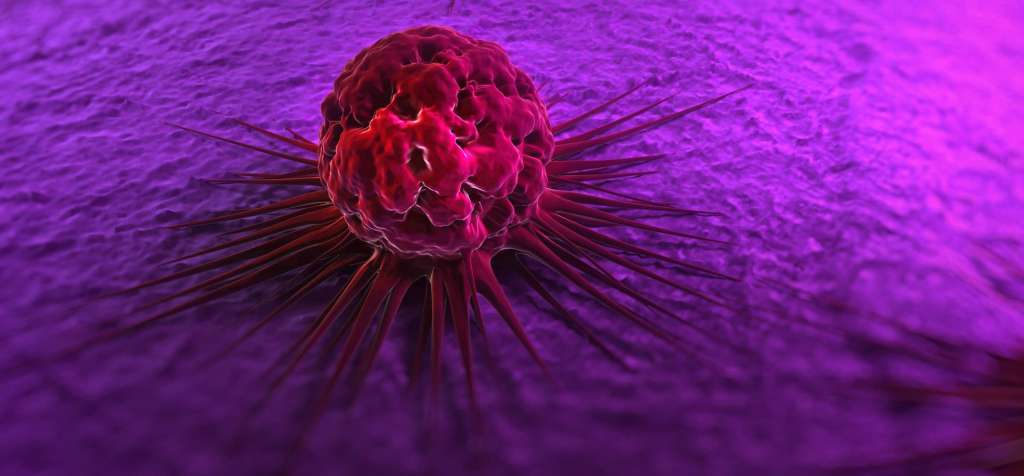
It is a disease in which abnormal cells divide uncontrollably and destroy body tissueThe three most common cancers in men, women, and children are as follows:
- Men: Prostate, lung, and colorectal
- Women: Breast, lung, and colorectal
- Children: Leukemia, brain tumors, and lymphoma
The incidence of cancer and cancer types are influenced by many factors such as age, gender, race, local environmental factors, diet, and genetics. Consequently, the incidence of cancer and cancer types vary depending on these variable factors. For example, the World Health Organization (WHO) provides the following general information about cancer worldwide:Cancer is a leading cause of death worldwide. It accounted for 8.2 million deaths (around 22% of all deaths not related to communicable diseases; most recent data from WHO).Lung, stomach, liver, colon, and breast cancer cause the most cancer deaths each year.Deaths from cancer worldwide are projected to continue rising, with an estimated 13.1 million deaths in 2030 (about a 70% increase).
What are causes of cancer?
Anything that may cause a normal body cell to develop abnormally potentially can cause cancer. Many things can cause cell abnormalities and have been linked to cancer development.Some cancer causes remain unknown while other cancers have environmental or lifestyle triggers or may develop from more than one known cause.Some may be developmentally influenced by a person’s genetic makeup. Many patients develop cancer due to a combination of these factors.MAJOR CAUSES INCLUDE:
- Chemical or toxic compound exposures: Benzene, asbestos, nickel, cadmium, vinyl chloride, benzidine, N-nitrosamines, tobacco or cigarette smoke (contains at least 66 known potential carcinogenic chemicals and toxins), asbestos, and aflatoxin
- Ionizing radiation: Uranium, radon, ultraviolet rays from sunlight, radiation from alpha, beta, gamma, and X-ray-emitting sources
- Genetics: A number of specific cancers have been linked to human genes and are as follows: breast, ovarian, colorectal, prostate, skin and melanoma
Many people have the genes that are linked to cancer but do not develop it. Why?
it is clear that the higher the amount or level of cancer-causing materials a person is exposed to, the higher the chance the person will develop cancer. In addition, the people with genetic links to cancer may not develop it for similar reasons (lack of enough stimulus to make the genes function). In addition, some people may have a heightened immune response that controls or eliminates cells that are or potentially may become cancer cells. There is evidence that even certain dietary lifestyles may play a significant role in conjunction with the immune system to allow or prevent cancer cell survival.
RISK FACTORS:
Recently, other risk factors have been added to the list of items that may increase cancer risk. Specifically, red meat (such as beef, lamb, and pork) was classified by the International Agency for Research on Cancer as a high-risk agent for potentially causing cancers; in addition processed meats (salted, smoked, preserved, and/or cured meats) were placed on the carcinogenic list. Individuals that eat a lot of barbecued meat may also increase risk due to compounds formed at high temperatures. Other less defined situations that may increase the risk of certain cancers include obesity, lack of exercise, chronic inflammation, and hormones, especially those hormones used for replacement therapy. Other items such as cell phones have been heavily studied. In 2011, the World Health Organization classified cell phone low energy radiation as “possibly carcinogenic,” but this is a very low risk level that puts cell phones at the same risk as caffeine and pickled vegetables.I wish cancer got cancer and died.
 Health bits